
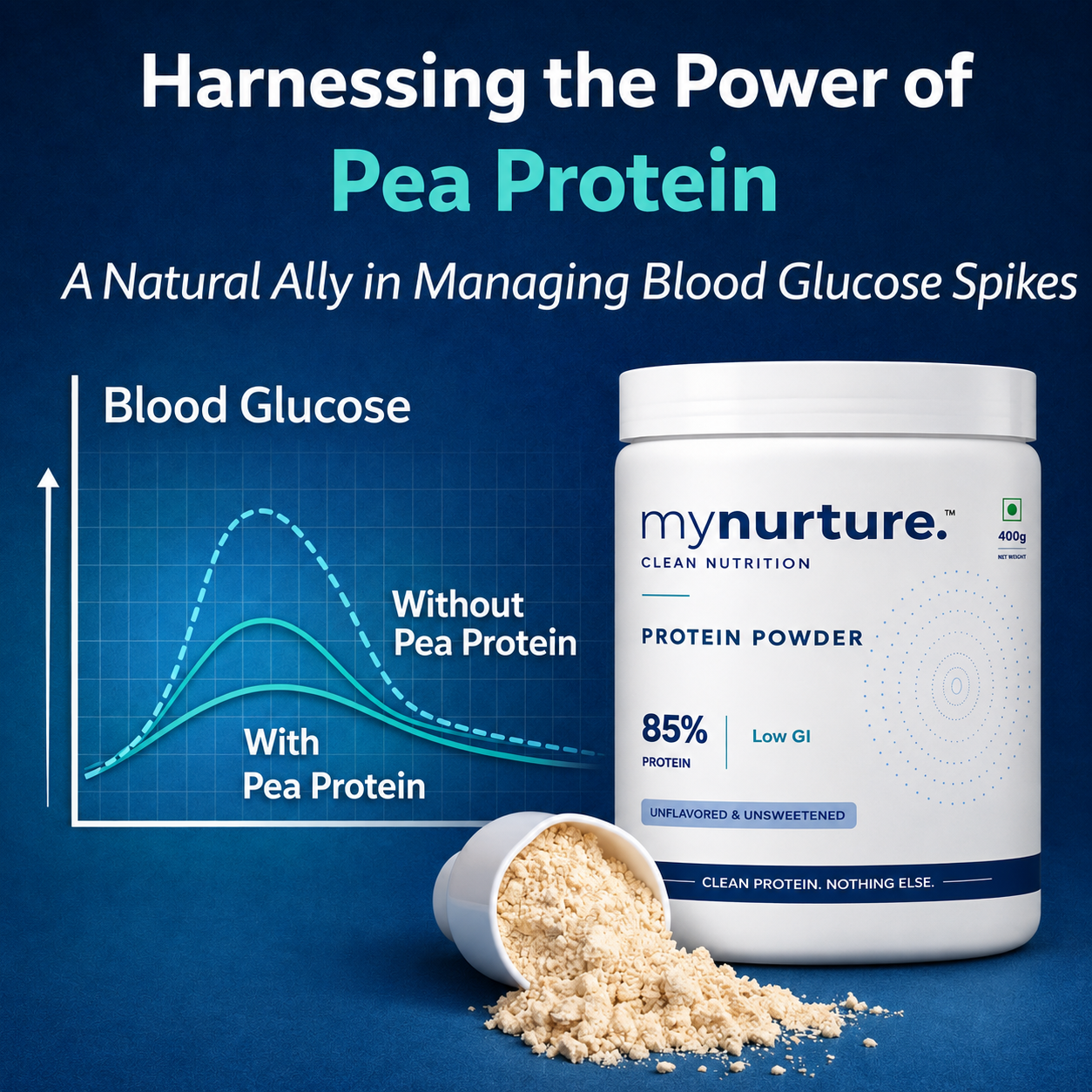
Harnessing the Power of Pea Protein: A Natural Ally in Managing Blood Glucose Spikes
Blood sugar management is central to living well with diabetes — and what we eat plays a major role. Over the past decade, nutrition science has spotlighted the impact of specific nutrients on post-meal glucose responses. Among these, pea protein isolate has emerged as a promising, research-supported addition to meals that helps smooth out blood sugar swings and improve metabolic health.
In this post, we’ll explore why pea protein works, how it impacts digestion and glucose absorption, and what the latest science says about adding it to your plate.
What Is Pea Protein Isolate?
Pea protein isolate is a concentrated plant protein extracted from yellow peas. During processing, most of the starch and fiber are removed, leaving behind a highly digestible, low-carbohydrate protein source.
It is:
- 100% plant-based
- Naturally gluten- and dairy-free
- Low on the glycemic index
- Rich in essential amino acids, especially arginine and branched-chain amino acids
These properties make pea protein particularly suitable for people managing diabetes or insulin resistance.
How Pea Protein Helps Control Blood Glucose Spikes
1. Slows Gastric Emptying
One of the most important ways pea protein helps is by slowing gastric emptying — the rate at which food leaves the stomach.
When carbohydrates are consumed alone, they pass quickly into the intestine, causing a rapid rise in blood glucose. Adding pea protein delays this process, allowing glucose to enter the bloodstream more gradually.
Result:
- Lower post-meal glucose peaks
- More stable blood sugar levels over time
2. Reduces Rapid Carbohydrate Absorption
Pea protein alters the digestion environment in the gut. Research suggests that protein can interfere slightly with carbohydrate-digesting enzymes, leading to slower glucose release.
This means:
- Less glucose flooding the bloodstream at once
- Reduced demand for large insulin surges
- Improved post-meal glucose control
Clinical studies comparing meals with and without added pea protein show noticeably flatter glucose curves when protein is included.
3. Supports Insulin Sensitivity
Insulin sensitivity determines how efficiently cells absorb glucose from the blood. Poor sensitivity forces the pancreas to release more insulin, increasing metabolic stress.
Emerging research indicates that pea protein may improve insulin signaling, lower post-meal insulin requirements, and support long-term glucose regulation.
These effects align with broader findings that high-quality plant proteins positively influence metabolic health.
What Happens to Blood Sugar After a Meal?
Without pea protein, blood glucose rises sharply and stays elevated longer. With pea protein, blood glucose rises slowly, peaks lower, and returns to baseline sooner.
This smoother curve is exactly what diabetes management aims for.
What Recent Research Is Showing
Recent nutrition studies highlight several benefits of pea protein when consumed with meals:
- Reduced post-prandial glucose spikes
- Increased satiety and appetite control
- Improved energy expenditure after eating
- Better glucose stability when paired with carbohydrates
Researchers increasingly study pea protein because it combines digestibility, sustainability, and metabolic benefits.
Practical Ways to Add Pea Protein to Meals
You don’t need supplements-only diets to benefit. Pea protein can be added easily to everyday foods:
- Smoothies with berries and leafy greens
- Oatmeal or porridge at breakfast
- Soups, dals, and stews
- Pancakes, rotis, or baked goods
- Plant-based yogurt or curd alternatives
Suggested amount: 15–25 g per meal, especially with carbohydrate-rich foods.
Final Takeaway
Pea protein isolate isn’t a cure for diabetes — but it is a science-backed nutritional strategy that helps control blood glucose fluctuations when used consistently.
By adding pea protein to meals, people with diabetes may benefit from:
- Lower post-meal sugar spikes
- Improved insulin efficiency
- Better satiety and appetite control
- A simple, plant-based solution that fits modern diets
Small additions can make a meaningful difference — and pea protein is one of those smart additions worth considering.