
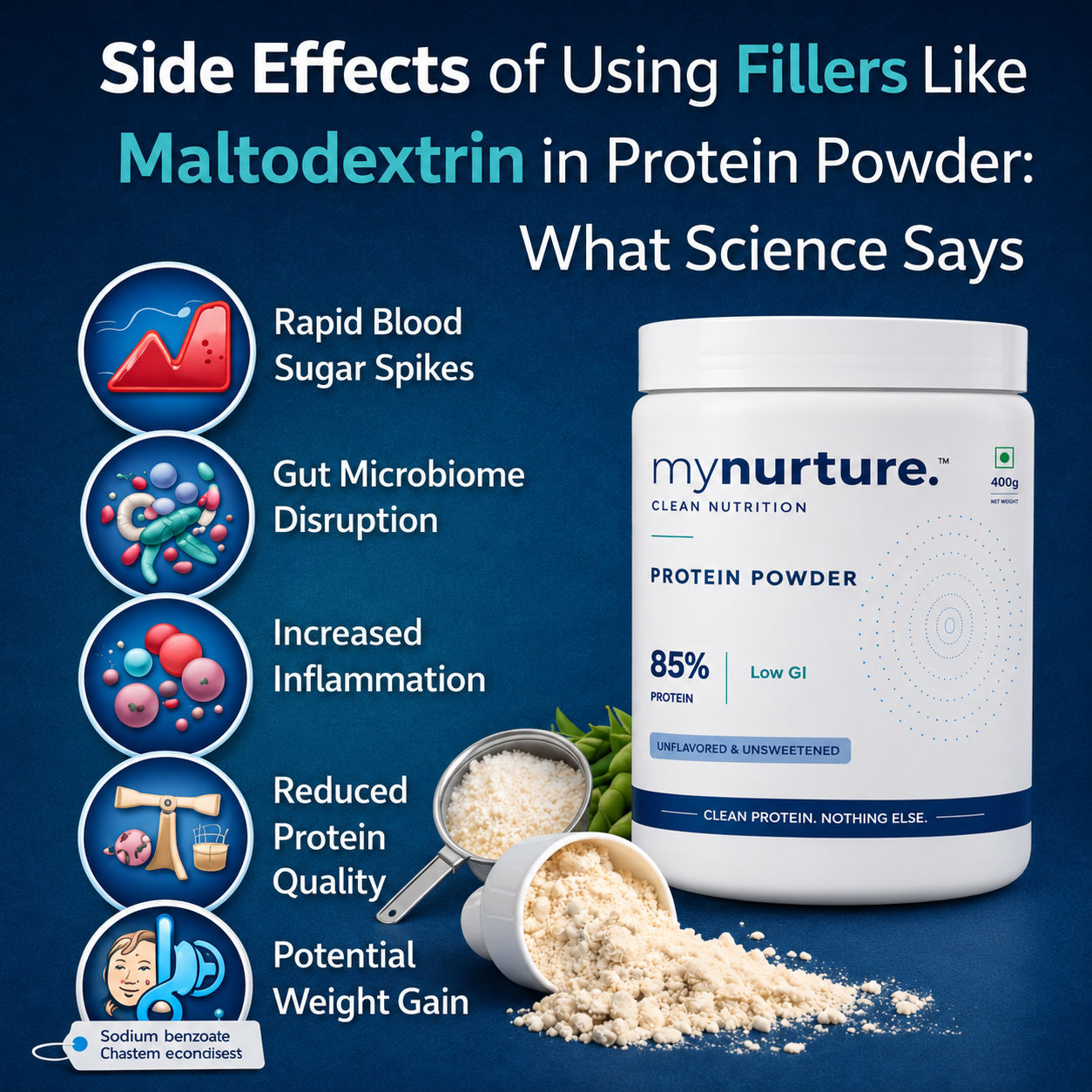
Side Effects of Using Fillers Like Maltodextrin in Protein Powder: What Science Says
Protein powders are widely consumed for muscle building, weight management, and clinical nutrition. While protein is the main attraction, many commercial protein powders contain fillers — ingredients added to improve texture, sweetness, solubility, or reduce cost. One of the most common fillers is maltodextrin.
Although maltodextrin is approved for food use, regular and long-term consumption through protein supplements may have unintended health effects, especially for people using protein powders daily.
What Is Maltodextrin?
Maltodextrin is a highly processed carbohydrate derived from corn, rice, potato, or wheat starch. It is commonly used in protein powders to increase bulk and improve mouthfeel, enhance sweetness without strong flavor, improve mixability and shelf life, and reduce manufacturing costs.
Despite being marketed as a complex carbohydrate, maltodextrin behaves more like refined sugar in the body.
1. Rapid Blood Sugar Spikes
One of the most well-documented concerns with maltodextrin is its very high glycemic index. It is rapidly digested into glucose, causes sharp post-meal blood sugar spikes, and triggers a strong insulin response.
For individuals with diabetes, insulin resistance, or metabolic syndrome, frequent consumption through protein powders may worsen glycemic control.
2. Negative Impact on Gut Microbiome
Emerging research suggests maltodextrin may disrupt gut health when consumed long term. Studies indicate it can reduce beneficial gut bacteria, promote growth of harmful microbes, and increase intestinal inflammation.
3. Increased Inflammation and Immune Stress
Chronic low-grade inflammation is a root cause of many metabolic and autoimmune conditions. Research suggests maltodextrin may contribute to inflammatory processes by increasing oxidative stress, disrupting gut barrier integrity, and activating inflammatory immune pathways.
4. Reduced Nutritional Quality of Protein Powder
When maltodextrin is used as a filler, protein content per serving is reduced, calorie content increases unnecessarily, and satiety value of the product decreases. This can mislead consumers who think they are purchasing a high-protein, low-carb product.
5. Potential Contribution to Weight Gain
Although protein powders are often used for weight management, fillers like maltodextrin may counteract these goals. Long-term intake may increase insulin-driven fat storage, promote hunger shortly after consumption, and encourage overconsumption of calories.
6. Digestive Discomfort in Sensitive Individuals
Some people experience bloating, gas, cramping, or diarrhea, especially when maltodextrin is consumed in large amounts or combined with other additives like artificial sweeteners.
Why This Matters for Protein Powder Users
Protein powders are often consumed daily or multiple times per day, making fillers a significant source of long-term exposure. Regular intake of maltodextrin-containing protein powders may undermine blood sugar control, disrupt gut health, increase inflammatory burden, and reduce the actual protein benefit.
How to Choose Better Protein Powders
Choose protein powders with minimal ingredient lists, look for products labeled no maltodextrin or no fillers, prefer unflavored or naturally flavored options, and check carbohydrate content per serving carefully.
Final Takeaway
Maltodextrin may be widely used and legally approved, but scientific evidence suggests that long-term consumption — especially through daily protein supplements — may have negative metabolic and gut health effects.
While occasional intake is unlikely to cause harm, relying on protein powders containing maltodextrin can undermine the very health goals they are meant to support. Choosing cleaner, filler-free protein sources aligns better with long-term wellness and metabolic health.