
Long-Term Side Effects of Artificial Flavors: What Scientific Research Reveals
Artificial flavors are widely used in processed foods, beverages, and dietary supplements — including protein powders, meal replacements, and energy drinks. They are designed to mimic natural flavors while being cost-effective and shelf-stable. While regulatory authorities approve these compounds for consumption within defined limits, concerns are growing about the potential long-term health effects of habitual exposure.
What Are Artificial Flavors?
Artificial flavors are chemically synthesized substances that replicate the taste and aroma of natural foods. Unlike natural flavors, they are not derived directly from plants or animal sources.
They are commonly added to protein powders and supplements, flavored beverages, snack foods and desserts, and sugar-free and diet products.
1. Potential Neurological and Cognitive Effects
Some artificial flavoring agents have been studied for their effects on the nervous system. Animal and cellular studies suggest that long-term exposure to certain synthetic flavor compounds may influence neurotransmitter activity and brain signaling.
Chronic exposure may increase susceptibility to headaches, mood changes, or sensory sensitivity in some individuals.
2. Gut Microbiome Disruption
The gut microbiome plays a critical role in digestion, immunity, and metabolic regulation. Emerging research suggests that artificial food additives, including flavoring agents, may alter gut microbial balance.
Long-term exposure has been associated with reduced beneficial gut bacteria, increased intestinal permeability, and low-grade intestinal inflammation.
3. Chronic Inflammation and Oxidative Stress
Several artificial flavoring chemicals have been shown in experimental studies to promote oxidative stress, a condition where excess free radicals damage cells and tissues. Chronic oxidative stress is associated with insulin resistance, cardiovascular disease, accelerated aging, and neurodegenerative conditions.
4. Respiratory and Occupational Health Concerns
One of the most well-documented risks related to artificial flavors involves diacetyl, a butter-flavoring compound. Long-term inhalation exposure to diacetyl has been linked to bronchiolitis obliterans, a serious and irreversible lung condition in occupational settings.
5. Regulatory Approval vs. Long-Term Exposure
Artificial flavors are often classified as generally recognized as safe. However, many approvals are based on short-term studies, compounds are often approved individually rather than as mixtures, and long-term daily consumption patterns are not always fully assessed.
6. Appetite Regulation and Metabolic Effects
Artificial flavors may influence appetite and eating behavior by enhancing palatability without providing nutritional value. Research suggests this may increase preference for highly flavored foods, alter satiety signaling, and encourage overconsumption of ultra-processed foods.
Practical Ways to Reduce Long-Term Risk
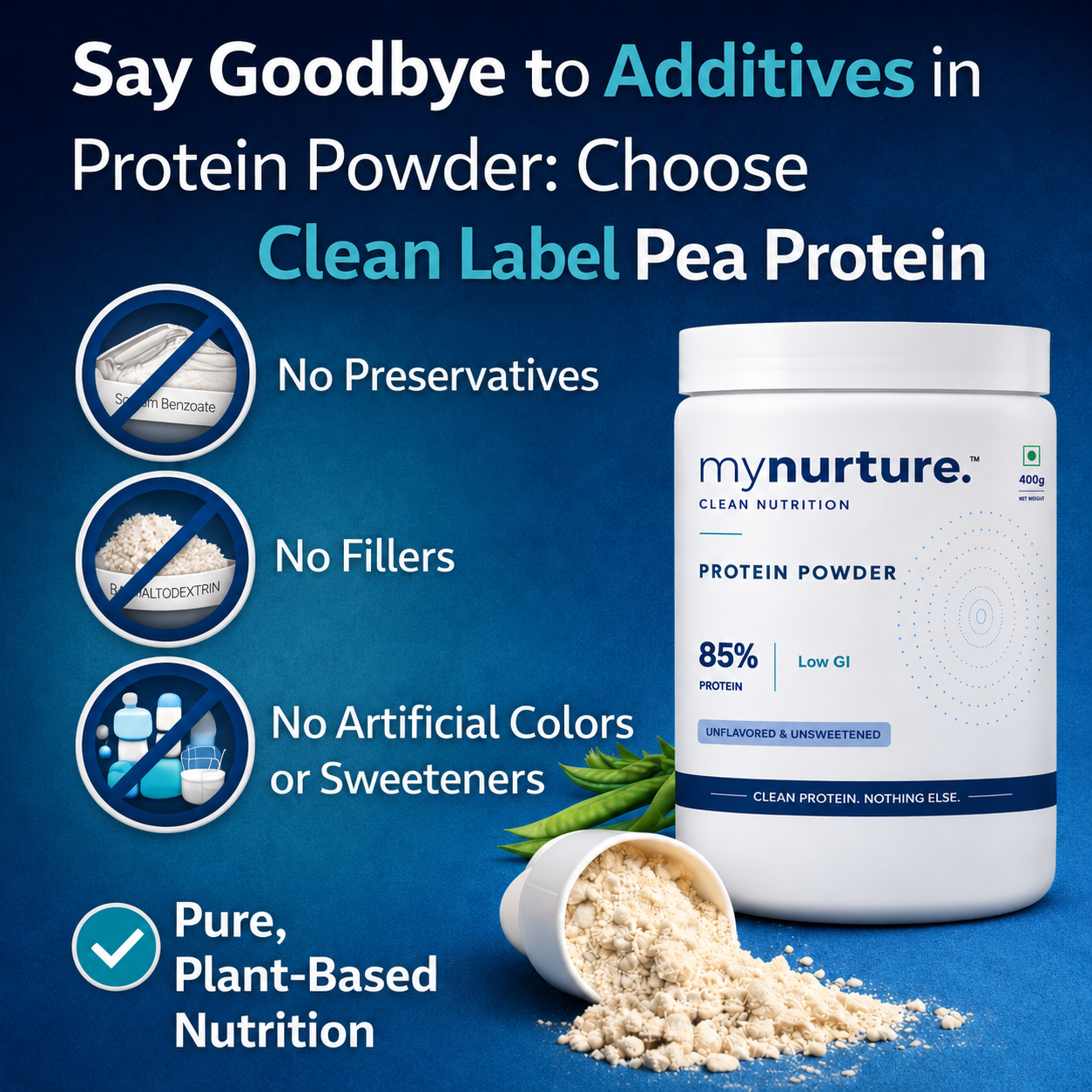
Choose unflavored or naturally flavored protein powders, limit highly processed foods with long ingredient lists, rotate food choices to reduce repeated exposure, and train taste preferences toward less intense flavors.
Final Thoughts
Artificial flavors make foods more appealing and consistent, but scientific evidence suggests they are not entirely neutral when consumed long term. Research points to potential effects on gut health, inflammation, neurological function, and metabolic regulation — particularly with habitual, daily intake.
While occasional consumption is unlikely to cause harm, minimizing unnecessary artificial additives aligns with a more preventive, long-term health approach.